Blog

  • Lessons I Learned From Traveling With Only a Backpack and a Smartphone

    Lessons I Learned From Traveling With Only a Backpack and a Smartphone

    The first time I traveled with only a backpack and a smartphone, I felt strangely nervous. It seemed impossible that everything I needed for days or even weeks could fit into one small bag. Earlier trips usually involved heavy luggage, extra clothes, backup items, printed documents, multiple chargers, and many things I barely used.

    Traveling light sounded freeing in theory, but in reality it felt risky at first.

    What if I forgot something important? What if I needed extra clothes? What if my phone battery died? What if something went wrong far from home?

    Modern life trains people to prepare for every possible situation. We carry extra items “just in case,” download endless information, and try to control every detail before leaving home.

    But traveling with only a backpack and a smartphone slowly taught me something unexpected.

    Most of the things I thought I needed were not actually necessary.

    Over time, lighter travel changed not only the way I moved through the world, but also how I thought about comfort, flexibility, technology, and even daily life itself.

    The trip became less about managing possessions and more about experiencing places directly.

    Carrying Less Made Travel Feel More Human

    One of the first lessons I learned was how much physical luggage affects emotional freedom.

    Earlier trips often started with stress. Heavy suitcases created constant problems at airports, train stations, crowded streets, staircases, and public transportation. I worried about losing bags, protecting valuables, finding storage space, and dragging luggage through unfamiliar places.

    Travel sometimes felt more like moving equipment than exploring the world.

    With only a backpack, everything changed immediately.

    I could walk longer distances without exhaustion. Boarding trains became easier. Narrow streets, crowded buses, and small guesthouses stopped feeling difficult. I no longer needed taxis constantly just to manage heavy luggage.

    The physical lightness created mental lightness too.

    One evening while changing trains in a crowded European station, I noticed travelers struggling with huge suitcases on staircases while I moved easily through the crowd with one backpack. That moment made me realize how often possessions quietly control movement during travel.

    Another surprising lesson was how little clothing people actually need.

    Earlier, I packed for imagined situations instead of real ones. Extra shoes, too many outfits, backup items, and unnecessary accessories filled luggage quickly. But during backpack travel, I wore the same comfortable clothes repeatedly, washed items when needed, and realized most people never notice or care nearly as much as travelers imagine.

    This experience changed my relationship with consumption itself.

    Modern culture constantly encourages buying more travel gear, fashion, and accessories. Yet traveling lightly revealed how little actually contributes to meaningful experiences.

    Nobody remembers your luggage size while watching sunrise over mountains or sharing conversations with strangers during long train rides.

    People remember moments, not possessions.

    Backpack travel also made me more adaptable.

    Without carrying many “comfort items,” I became less dependent on perfect conditions. Small guesthouses, overnight trains, unexpected weather changes, and spontaneous plan adjustments became easier emotionally because I was already traveling simply.

    One traveler I met during a hostel stay explained something similar. The lighter the luggage became, the more flexible the entire journey felt. Last-minute train changes, walking through cities, or staying longer in unexpected places became possible without logistical stress.

    Freedom increased because fewer things needed management.

    Interestingly, carrying less also reduced decision fatigue.

    When everything fits inside one backpack, choices become simpler. Which clothes to wear, what to pack each morning, how to organize belongings — all require less mental energy.

    That simplicity creates calm.

    Travel began feeling less like constant planning and more like direct experience.

    The Smartphone Became Both Useful and Dangerous

    Traveling with only a smartphone also revealed how deeply modern technology changed the experience of moving through the world.

    The phone became map, camera, translator, guidebook, booking system, notebook, communication tool, music player, banking device, and emergency support system all at once.

    In earlier generations, travelers carried printed maps, paper tickets, phrasebooks, travel guides, and physical documents. Today, one small device can replace almost everything.

    At first, this felt incredibly empowering.

    I could navigate unfamiliar cities instantly, translate menus, book train tickets, find accommodations, communicate with people abroad, and access information anytime. Traveling became easier and less intimidating because help remained available constantly through the phone.

    One evening, I became lost in a neighborhood late at night in a foreign city. A smartphone map guided me back safely within minutes. During another trip, translation apps helped me order food and ask for directions despite language barriers.

    Technology removed many travel fears.

    But over time, I also noticed the hidden downside.

    Because the smartphone solved problems so quickly, it sometimes prevented deeper interaction with the world itself.

    Earlier travelers often asked locals for directions, discovered places accidentally, or learned patience through uncertainty. With smartphones, it became easy to move through cities while barely engaging with people around me.

    I noticed this especially during train rides and quiet moments.

    Instead of observing landscapes or speaking with strangers, I often automatically checked messages, social media, or news updates. The phone constantly pulled attention away from the actual journey.

    One morning while traveling through rural areas by train, I decided to stop using my phone for several hours except for navigation. The experience immediately felt different. I noticed changing landscapes more carefully, listened to conversations nearby, and paid attention to small details usually hidden behind screen distraction.

    The journey itself became richer.

    Traveling with only a smartphone taught me that technology is most helpful when used intentionally rather than automatically.

    Another important lesson involved dependence.

    At one point during travel, my phone battery became dangerously low while I still needed maps and booking information. Suddenly, I realized how vulnerable modern travelers become when one device controls nearly every essential function.

    Since then, I became much more conscious about battery management, offline backups, and keeping important information accessible without internet whenever possible.

    Technology creates convenience, but it also creates dependency.

    Social media also affected travel more than I expected.

    At first, constantly photographing and posting travel moments seemed natural. But eventually I noticed something uncomfortable. Sometimes I focused more on documenting experiences than actually living them.

    Beautiful streets became photo opportunities. Meals became content. Quiet moments became interrupted by the pressure to capture and share them instantly.

    Travel started feeling performative.

    One evening while watching sunset near the ocean, I saw dozens of people looking mainly at phone screens while photographing the same view. Very few seemed fully present in the actual moment.

    That scene stayed with me.

    Afterward, I began using the smartphone more selectively during travel. Fewer photos, less social media, more direct attention to surroundings.

    Ironically, the memories became stronger.

    Traveling Light Changed How I Think About Life

    Perhaps the biggest lesson I learned from traveling with only a backpack and smartphone had little to do with travel itself.

    It changed how I think about daily life.

    Modern life often becomes crowded with possessions, digital noise, schedules, and unnecessary complexity. Traveling lightly revealed how little people truly need to feel comfortable, capable, and emotionally fulfilled.

    Simple routines became enough.

    Clean clothes. Safe places to sleep. Good conversations. Warm meals. Curiosity. Movement. Time to notice the world.

    These things mattered more than carrying many belongings.

    One particularly powerful moment happened after arriving in a small mountain town with almost nothing except basic essentials inside my backpack. The simplicity felt strangely calming.

    Without many possessions to manage, attention shifted outward toward experiences themselves — weather, conversations, landscapes, local food, sounds, and human interaction.

    The journey became mentally lighter too.

    Backpack travel also taught adaptability.

    Plans changed constantly during the trip. Trains were delayed. Weather shifted unexpectedly. Accommodation changed. Yet because I traveled simply, adapting became easier emotionally.

    Heavy expectations often create travel stress more than actual difficulties do.

    Traveling light reduced attachment to perfect plans.

    Another lesson involved trust.

    Earlier, I often overprepared because uncertainty felt uncomfortable. But traveling with fewer possessions forced me to trust that most problems could be solved along the way.

    And usually they could.

    Forgotten items could be replaced. Directions could be found. Unexpected situations became manageable. Humans are far more adaptable than they often believe.

    This realization created confidence beyond travel itself.

    I also became more aware of how consumption shapes identity.

    Many people unconsciously connect security and comfort with owning more things. But backpack travel challenged that assumption directly. Carrying fewer possessions often felt more freeing than restrictive.

    Experiences became richer because attention no longer stayed trapped in managing objects constantly.

    Interestingly, some of the happiest travelers I met carried very little.

    They moved slowly, stayed flexible, spoke with strangers easily, and seemed emotionally open to unpredictability. Simplicity created space for spontaneity.

    Traveling with only a backpack and smartphone also revealed the strange balance between freedom and dependence in modern life.

    Physically, I felt freer than ever because I carried so little. Digitally, however, I realized how dependent modern humans became on one small device for navigation, memory, communication, entertainment, and security.

    That awareness changed my relationship with technology permanently.

    I no longer view constant connectivity as automatically positive.

    Sometimes the most meaningful travel moments happened precisely when the phone stayed inside the backpack — during long walks, conversations with strangers, quiet meals, or silent train journeys where attention fully belonged to the present moment.

    In the end, traveling with only a backpack and smartphone taught me something surprisingly simple.

    Most meaningful experiences require far less than people imagine.

    People need curiosity more than possessions. Presence more than constant documentation. Flexibility more than perfect planning.

    A backpack carried the essentials. A smartphone connected me to the modern world.

    But the most valuable parts of the journey usually happened in the spaces between those things — in moments when life felt temporarily lighter, simpler, and more open to the unexpected.

  • Comfort Foods From Different Cultures That Instantly Feel Familiar

    Comfort Foods From Different Cultures That Instantly Feel Familiar

    No matter where people come from, almost everyone has a certain type of food that brings immediate comfort. Sometimes it is connected to childhood memories. Sometimes it reminds people of family gatherings, rainy evenings, cold weather, or difficult days when simple meals provided emotional relief.

    Comfort food exists in every culture.

    What makes it fascinating is that although ingredients and cooking styles differ across countries, the emotional feeling behind comfort food is often surprisingly similar. A warm bowl of soup in one country may create the same emotional warmth as rice dishes, noodles, bread, or stews somewhere else.

    Traveling and trying foods from different cultures slowly reveals something beautiful about humanity: people everywhere create meals designed not only to feed the body, but also to calm the mind and heart.

    These foods are rarely the most expensive or luxurious dishes. In fact, comfort foods are often simple, affordable, and deeply connected to home life. They are the meals people crave when tired, sick, lonely, stressed, or homesick.

    And even when travelers try unfamiliar comfort foods abroad, many of them still feel strangely familiar emotionally.

    Every Culture Has Its Own Version of Warmth

    One of the first things people notice while traveling is how often comfort foods involve warmth, softness, and slow cooking.

    In Japan, a steaming bowl of ramen on a cold evening feels deeply comforting. The hot broth, soft noodles, gentle steam, and quiet atmosphere inside small noodle shops create a feeling of calm that many travelers immediately understand, even if they did not grow up eating ramen.

    In Vietnam, pho creates a similar experience.

    Early in the morning, people gather around hot bowls of noodle soup while steam rises into cool air. The fresh herbs, warm broth, and slow rhythm of breakfast create emotional comfort beyond flavor alone.

    Someone from another culture may not recognize every ingredient, yet the experience still feels emotionally familiar because the warmth and care inside the meal are universal.

    Soup itself appears in comfort food traditions almost everywhere.

    Chicken soup in many Western countries is associated with healing and care during sickness. In Korea, hot soups and stews become especially comforting during winter. In India, simple dal with rice provides emotional comfort to millions of people after long days.

    Different ingredients, same emotional purpose.

    Rice also plays a major role in comfort food around the world.

    For many Asian families, plain rice served with simple side dishes creates immediate feelings of home and stability. In some cultures, rice porridge or congee becomes comfort food during illness because it is soft, warm, and easy to digest.

    Meanwhile, in parts of Europe or the Middle East, bread carries similar emotional meaning.

    Fresh bread from bakeries often reminds people of childhood mornings, family meals, or peaceful routines. Warm bread with butter, soup, or tea may sound simple, yet emotionally it can feel deeply satisfying.

    One traveler described eating fresh bread and soup during cold weather in a small Turkish town. Although the flavors were unfamiliar at first, the warmth of the meal created a feeling almost identical to homemade comfort foods from childhood back home.

    That emotional familiarity is what makes comfort food so powerful across cultures.

    Another interesting pattern is that comfort foods are often connected to slow cooking and patience.

    Stews simmer for hours. Broths cook slowly overnight. Rice dishes develop flavor gradually. Family recipes pass through generations not because they are fancy, but because they create dependable emotional comfort repeatedly.

    Many comfort foods also use affordable ingredients creatively.

    Historically, families often developed comforting meals during difficult economic periods. Pasta dishes, soups, dumplings, curries, beans, rice, and breads became staples because they were filling, practical, and nourishing.

    Over time, those meals became emotionally tied to family and survival.

    One reason travelers connect so strongly to local comfort foods is because these dishes reveal how ordinary people actually live. Fine dining may showcase creativity and presentation, but comfort food reveals daily life.

    A small noodle shop in Tokyo, a family curry meal in India, homemade pasta in Italy, or warm tamales in Mexico all reflect traditions shaped by generations of ordinary routines.

    These foods carry emotional history.

    Comfort Food Feels Personal Even Across Cultures

    One surprising thing about trying comfort foods abroad is how quickly strangers begin sharing stories connected to them.

    Ask someone about their favorite comfort meal, and the answer usually includes memories rather than technical descriptions.

    People remember grandparents cooking slowly in kitchens, parents preparing meals during illness, winter evenings around family tables, or childhood snacks after school.

    Food becomes emotional memory.

    One traveler staying with a host family in South Korea was served kimchi stew during rainy weather. The host explained that the dish reminded them of difficult school days when their mother cooked it after long evenings.

    Even though the traveler had never tasted the dish before, the emotional meaning felt completely understandable.

    This happens often with comfort food because the feeling itself is universal.

    A bowl of macaroni and cheese in the United States may emotionally resemble rice porridge in China or lentil soup in the Middle East. The ingredients differ, but the purpose remains similar: creating warmth, reassurance, and familiarity.

    Another reason comfort foods feel globally familiar is because they are usually connected to care.

    People prepare these meals for family members during sickness, stress, heartbreak, or exhaustion. Certain foods become symbols of emotional support itself.

    One traveler described feeling unexpectedly emotional while eating simple homemade curry and rice during a long solo trip abroad. The meal reminded the traveler of family dinners back home even though the flavors were completely different.

    The warmth, simplicity, and atmosphere triggered feelings of safety and belonging.

    Comfort foods also reveal cultural values.

    In Italy, long pasta meals often emphasize family gathering and conversation. In many Asian countries, shared dishes around the table create closeness and collective eating experiences. In Middle Eastern cultures, hospitality through food becomes central to comfort and community.

    Travelers slowly realize that comfort foods are not only about taste. They are about relationships.

    Even snacks can become comfort foods.

    Tea with biscuits during rainy afternoons. Street-side roasted corn during winter evenings. Warm pastries from neighborhood bakeries. Fried snacks eaten during festivals or family gatherings.

    These small foods become emotionally important because they connect to routine and memory.

    One beautiful part of global travel is discovering how deeply humans everywhere use food to create emotional stability.

    After difficult days, people often return to familiar flavors. During celebrations, comfort foods appear at tables again. During sadness, simple warm meals provide emotional grounding.

    This emotional role of food crosses language and cultural barriers naturally.

    Interestingly, comfort foods rarely try to impress people visually.

    They are often soft, messy, steaming, or simple-looking. Their value comes from feeling rather than appearance. In modern social media culture where food is often designed for photographs, comfort foods remain refreshingly honest.

    A bowl of soup may not look glamorous online, but emotionally it can mean everything to someone.

    Travelers often discover that local comfort foods create stronger memories than expensive restaurant meals because they feel connected to ordinary life rather than performance.

    Comfort Food Reminds People They Are Not So Different

    Perhaps the most powerful thing about comfort foods from different cultures is how they quietly reveal human similarities.

    Countries may have different languages, religions, histories, climates, and traditions, yet people everywhere still seek warmth, care, family connection, and emotional safety through food.

    One traveler described eating dumplings in Eastern Europe during heavy snowfall while feeling almost the same emotional comfort as eating homemade noodles during rainy days back home.

    Different culture. Same emotional feeling.

    Another traveler eating hot rice and soup in a small village in Southeast Asia suddenly remembered childhood meals during sickness even though the flavors themselves were unfamiliar.

    Comfort foods create emotional bridges between cultures.

    This is one reason food becomes such an important part of travel. It allows people to understand places emotionally rather than only intellectually. Tasting local comfort food means experiencing what people crave during ordinary moments of life.

    Not celebration food. Not luxury food. Real daily emotional food.

    Many comfort foods are also tied strongly to weather and seasons.

    Hot stews during winter. Cooling yogurt dishes during summer. Warm tea during rain. Roasted chestnuts during cold evenings. Seasonal foods become emotionally connected to atmosphere and memory.

    Travelers often remember not only the food itself, but the surrounding feeling.

    The sound of rain outside while eating soup. The warmth of street food during cold weather. The smell of bread early in the morning near quiet streets.

    These details create emotional memory far beyond flavor.

    Another interesting thing about comfort food is that people often become less judgmental while eating it.

    Luxury dining can sometimes create pressure around etiquette, presentation, or expectations. Comfort food removes much of that distance. People relax more. Meals feel slower and more personal.

    Conversations become easier around comfort foods because they carry emotional openness naturally.

    Families also preserve cultural identity strongly through these dishes.

    Even immigrants living far from home often continue preparing comfort foods from their original cultures because the meals maintain emotional connection to family history and identity.

    A bowl of soup, rice dish, bread, curry, or stew can become a way of carrying home emotionally across countries.

    This is why many travelers feel deeply moved when discovering familiar emotional experiences inside unfamiliar foods abroad.

    It reminds people that despite enormous cultural differences, humans share many of the same emotional needs.

    People everywhere want warmth after difficult days. They want meals that calm anxiety, create togetherness, and remind them of safety and care.

    Comfort foods achieve this quietly.

    They do not usually appear in luxury advertisements or famous travel photography. Yet they often reveal more about a culture’s heart than expensive restaurants ever could.

    Because in the end, comfort food is rarely just about eating.

    It is about feeling understood, cared for, and connected — emotions that remain familiar no matter where in the world someone comes from.

  • The Hidden Downsides of Always Being Connected to Technology

    The Hidden Downsides of Always Being Connected to Technology

    There was a time when being constantly connected to technology felt exciting and almost futuristic. Smartphones made communication instant. Social media allowed people to stay updated with friends and events from anywhere in the world. Work emails could be answered quickly, navigation became easier, and entertainment became available every second of the day.

    At first, this level of connection seemed like freedom.

    People no longer needed to wait for information, letters, maps, or phone calls. Everything became faster and more convenient. A person could sit in one room while speaking with someone thousands of kilometers away, watching global news, replying to work messages, and ordering food at the same time.

    Modern technology made life more efficient in many ways.

    But over time, something else slowly started happening.

    Many people began feeling mentally exhausted even during quiet moments. Relaxation became harder. Attention spans shortened. Silence started feeling uncomfortable. Some people noticed they could no longer eat meals, travel on trains, or even stand in lines without automatically reaching for their phones.

    Being constantly connected created hidden emotional and psychological costs that many people did not notice immediately because the changes happened slowly.

    Technology itself is not the problem. Phones, laptops, apps, and the internet have improved communication, education, work, safety, and access to knowledge in remarkable ways. The hidden downside comes from never truly disconnecting.

    When the brain remains connected to endless information, notifications, entertainment, work, and social comparison every waking hour, rest becomes much more difficult than people realize.

    The Mind Rarely Gets a Chance to Rest

    One of the biggest hidden problems with constant connectivity is that the brain almost never experiences complete quiet anymore.

    In the past, many ordinary moments naturally included mental pauses. People sat silently during bus rides, waited quietly in public places, walked without headphones, or spent evenings without endless digital stimulation.

    Today, almost every empty moment gets filled immediately.

    People check notifications while brushing teeth, scroll social media during meals, watch videos before sleeping, answer work messages during vacations, and listen to podcasts while walking. Even boredom disappears quickly because phones provide instant distraction anytime discomfort appears.

    At first, this feels productive or entertaining.

    But over time, the brain becomes overloaded with continuous input.

    News headlines, social media updates, advertisements, short videos, messages, work emails, online arguments, entertainment clips, and notifications all compete for attention constantly. Even when content seems harmless individually, the endless flow creates mental fatigue.

    Many people now wake up and immediately check their phones before their minds fully wake up naturally. The day starts with messages, news, notifications, and information instead of silence or reflection.

    Similarly, nights often end with screens as well.

    This constant stimulation affects sleep more than people realize. Even after putting phones away, the brain often remains active because attention stayed highly stimulated until the last moment before bed.

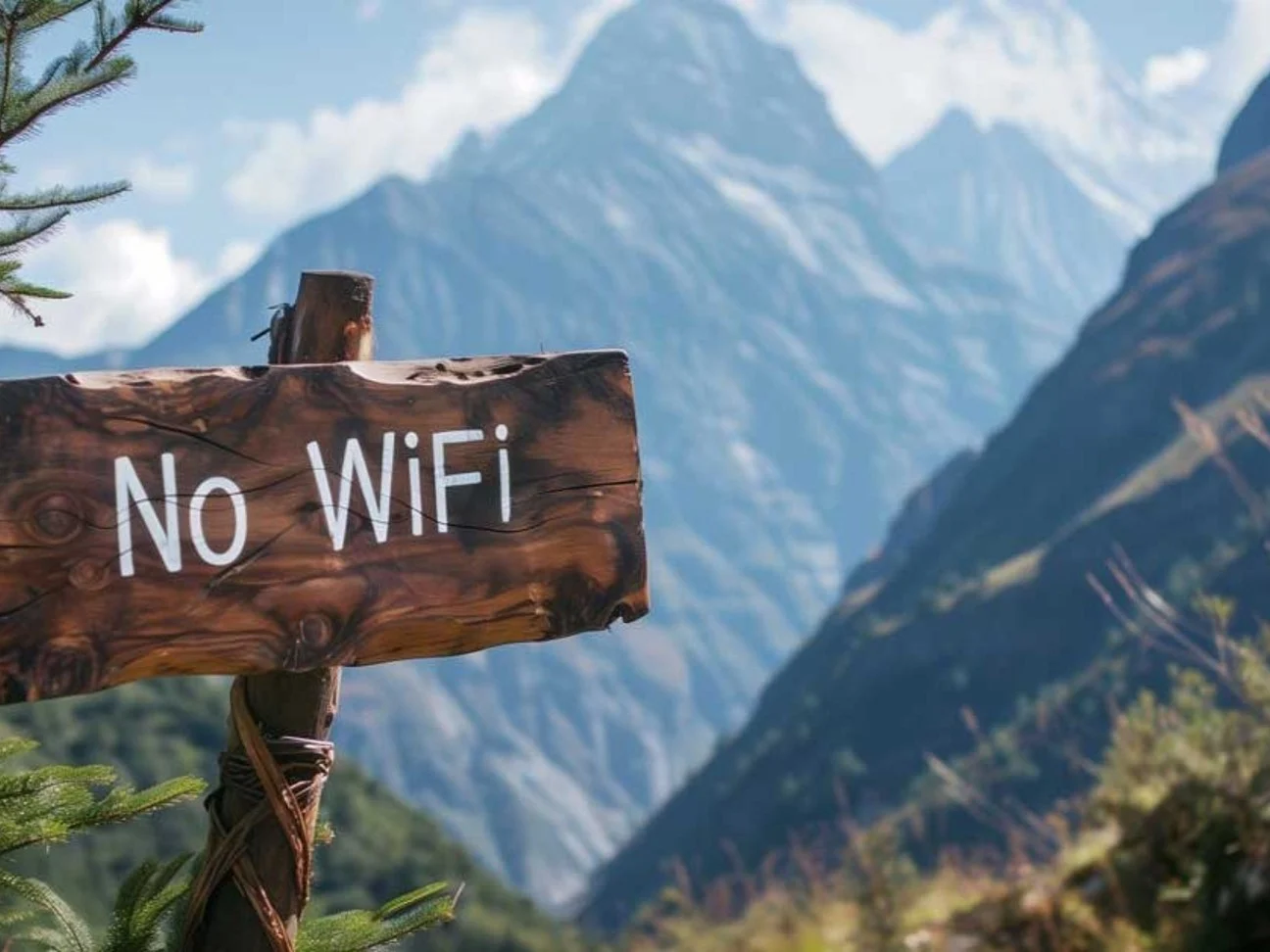
    One traveler once described going several days without reliable internet while staying in a remote mountain area. During the first two days, the person felt restless and checked the phone automatically even when there was no signal.

    But after a while, something changed.

    Thoughts slowed down. Sleep became deeper. Meals felt calmer. Conversations lasted longer without interruptions. The traveler realized how mentally noisy normal life had become without noticing it earlier.

    Another hidden downside of constant connectivity is fragmented attention.

    Modern technology trains the brain to switch focus repeatedly. Notifications interrupt conversations. Messages arrive during work. Social media encourages rapid scrolling between unrelated topics every few seconds.

    As a result, many people struggle to focus deeply on one thing for long periods.

    Reading books becomes harder. Watching long films without checking phones feels unusual. Even conversations get interrupted by the habit of looking at screens repeatedly.

    This fragmented attention creates emotional exhaustion because the brain never settles fully into one activity.

    People often believe they are relaxing while scrolling online for hours, but mentally the brain remains highly active and stimulated. Endless information keeps attention moving constantly instead of allowing true rest.

    Silence itself has become uncomfortable for many people.

    Waiting in quiet spaces now feels strange because technology conditioned people to expect constant stimulation. Some individuals cannot sit alone with their thoughts for even short periods without reaching for entertainment or distraction.

    This affects emotional processing too.

    Without quiet moments, people have fewer opportunities to reflect deeply, process emotions, or think clearly about their lives. Constant distraction can delay emotional awareness because attention always moves outward instead of inward.

    Technology Quietly Changed Human Relationships

    Another hidden downside of constant connection is how it changed the quality of human interaction.

    Ironically, people today communicate more frequently than ever while often feeling lonelier at the same time.

    Messages, reactions, comments, and group chats create continuous contact, but many interactions became shorter, faster, and more distracted. Conversations now compete with notifications constantly.

    Families sit together while looking at separate screens. Friends meet at restaurants but interrupt discussions to check phones. Couples lie in bed scrolling separately late into the night instead of speaking.

    The physical presence remains, but attention becomes divided.

    One parent described realizing that dinner conversations had almost disappeared at home because everyone checked devices repeatedly during meals. Nobody intentionally wanted less connection, yet technology quietly occupied the spaces where conversation once happened naturally.

    Social media created another hidden emotional challenge: constant comparison.

    Earlier, people mostly compared themselves with smaller social circles nearby. Today, individuals are exposed daily to carefully edited versions of thousands of other lives online.

    Luxury vacations, fitness transformations, expensive lifestyles, perfect relationships, career achievements, and idealized appearances appear constantly on screens. Even when people logically understand that online content is curated, emotional comparison still happens subconsciously.

    Over time, this creates pressure.

    Some people begin feeling their own lives are less exciting, successful, attractive, or meaningful simply because ordinary reality cannot compete with endless highlight reels online.

    Technology also changed expectations around availability.

    Earlier, being unreachable for several hours was normal. Today, delayed replies sometimes create anxiety or frustration because people expect immediate responses.

    Work boundaries became weaker too.

    Emails, messages, and notifications now follow people home constantly. Many workers mentally remain connected to jobs even during evenings, weekends, and vacations because phones keep work permanently nearby.

    As a result, true psychological rest became harder to achieve.

    One professional explained that before smartphones became dominant, leaving the office physically created a mental boundary between work and personal life. Now that boundary barely exists because communication continues everywhere.

    Technology also affects how people experience public spaces.

    Earlier, strangers sometimes spoke during train rides, waited quietly together, or observed surroundings naturally. Now many people immediately enter digital worlds through headphones and screens.

    Public life became quieter socially even while online activity became louder.

    This shift reduced certain forms of spontaneous human interaction.

    Travel changed too.

    Many people now experience destinations partly through screens instead of directly. Photos get uploaded immediately. Restaurants become content opportunities. Beautiful views are often observed through cameras first.

    Sometimes documenting experiences becomes more important than fully living them.

    Another hidden issue involves emotional dependency on stimulation.

    Many people now feel uncomfortable without entertainment, notifications, or digital engagement nearby. This dependence makes simple activities like waiting, walking quietly, or sitting alone feel unusually difficult.

    Constant Connection Makes Life Feel Faster and Heavier

    Perhaps the biggest hidden downside of always being connected is that life itself starts feeling mentally crowded all the time.

    The brain carries too much information continuously.

    In earlier generations, people mainly focused on local communities, nearby events, and personal responsibilities. Today, a single day may expose someone to global news, political conflict, economic fear, celebrity drama, viral trends, advertising, work stress, and personal communication all at once.

    Humans were not designed to process endless streams of global information constantly.

    This creates low-level stress even when people do not notice it consciously.

    One major consequence is the feeling that time moves faster now.

    Because attention constantly jumps between tasks, apps, notifications, and content, days often feel fragmented and blurry. People consume enormous amounts of information but remember surprisingly little because the brain rarely slows down enough to process experiences deeply.

    Moments pass quickly without full presence.

    A meal disappears while scrolling. A train ride ends while watching videos. Even vacations become filled with digital activity.

    Many people eventually realize they experienced less of life directly than they thought.

    Technology also created pressure to remain productive constantly.

    Phones turned every moment into potential work time, learning time, networking time, or content consumption time. Relaxation sometimes feels guilty because digital culture constantly promotes self-improvement, updates, and activity.

    As a result, true idleness became rare.

    But humans actually need unproductive moments mentally.

    Rest, boredom, silence, wandering thoughts, and slow routines allow the mind to recover emotionally. Without those spaces, people become mentally overloaded even while technically “resting.”

    Another hidden downside is reduced tolerance for slowness.

    Fast internet, instant delivery, short videos, and immediate responses trained people to expect speed everywhere. Waiting now feels frustrating much faster than before.

    This affects patience in relationships, work, learning, and everyday life.

    Books feel slower. Long conversations require more effort. Deep concentration becomes harder.

    Technology gradually changed not only habits but also emotional rhythms.

    Still, the solution is probably not complete rejection of technology.

    Modern digital tools provide enormous value. They connect families across countries, support education, improve healthcare access, help businesses grow, and allow people to learn almost anything instantly.

    The challenge is balance.

    Many people are now realizing they need moments of disconnection intentionally because constant connectivity became the default state of modern life.

    Simple changes can feel surprisingly powerful.

    Walking without headphones sometimes. Keeping phones away during meals. Sleeping without screens nearby. Taking breaks from social media. Spending time in nature without notifications.

    These moments remind people how different the mind feels when attention slows down.

    The hidden downside of always being connected is not only distraction. It is the gradual loss of silence, depth, patience, presence, and emotional space.

    And many people are only beginning to realize how valuable those things truly are once they start disappearing.

  • Travel Experiences That Completely Changed My Perspective on Comfort and Luxury

    Travel Experiences That Completely Changed My Perspective on Comfort and Luxury

    For a long time, I thought comfort and luxury were mostly connected to expensive things. Comfortable travel meant large hotel rooms, soft beds, air conditioning, private transportation, fast internet, and beautiful views from expensive buildings. Luxury seemed connected to price, convenience, exclusivity, and polished experiences designed to impress people.

    Travel advertisements, social media, and movies often present luxury this way. Infinity pools overlooking oceans, private villas, five-star hotels, business-class flights, rooftop dinners, and carefully designed resorts become symbols of success and comfort.

    And honestly, some of those experiences can feel wonderful.

    A quiet hotel after a long flight, warm showers after difficult travel days, or comfortable transportation during exhausting journeys can absolutely improve life. But over time, certain travel experiences slowly changed the way I understood comfort completely.

    I started realizing that some of the moments that felt richest emotionally had very little to do with money or luxury in the traditional sense.

    Sometimes true comfort came from human connection, simplicity, silence, safety, warmth, or feeling emotionally present in a place. Some expensive experiences felt strangely empty, while some very ordinary travel moments stayed unforgettable for years.

    Travel slowly taught me that comfort and luxury are often much more emotional than material.

    Expensive Travel Does Not Always Feel Meaningful

    One of the first things travel changed for me was the realization that expensive environments do not automatically create happiness or emotional comfort.

    I remember staying once in a beautiful luxury hotel while traveling through a busy city. The room was large, the furniture elegant, and the service almost perfect. Everything looked polished and expensive. Yet after several hours, the experience started feeling strangely isolated.

    The hotel could have existed almost anywhere in the world.

    Inside the building, I barely felt connected to the country outside. The atmosphere was controlled, quiet, and international in a way that removed much of the local character surrounding it. Staff members were polite, but interactions felt formal and distant. I spent more time inside the room than exploring the city itself because everything inside felt so convenient.

    At first, that seemed like luxury.

    Later, it began feeling like separation.

    A few days afterward, I stayed in a much smaller guesthouse inside a local neighborhood. The room itself was simpler, and the furniture older, but something about the experience felt warmer immediately.

    The owner greeted guests personally every morning. Nearby cafés were filled with local people instead of tourists. I could hear street sounds through the windows and smell bread baking nearby early in the morning.

    That place felt far more alive emotionally.

    The experience made me realize that comfort is not always about removing imperfections completely. Sometimes small imperfections make travel feel more human and memorable.

    Another travel experience changed my perspective even more deeply.

    During a long journey through mountainous areas, transportation delays forced several travelers to stay overnight in a small rural village unexpectedly. There were no luxury hotels nearby, only simple family-run accommodations with basic rooms and limited electricity during parts of the night.

    Under normal circumstances, I might once have viewed that situation as uncomfortable or inconvenient.

    But that evening became one of the calmest travel memories I have ever experienced.

    People gathered outside after dinner, drank tea together, spoke quietly under cold night air, and shared stories while the mountains remained completely silent around the village. Phones barely worked, there were no endless digital distractions, and nobody seemed rushed.

    The simplicity created peace.

    I realized then how modern luxury often focuses heavily on stimulation and consumption — more entertainment, more services, more technology, more convenience. But emotional comfort sometimes grows from the opposite conditions: less noise, less pressure, less distraction.

  • How Food Delivery Apps Changed the Way Families Eat Together

    How Food Delivery Apps Changed the Way Families Eat Together

    Not very long ago, ordering food at home was usually connected to special occasions. Families ordered restaurant meals during birthdays, weekends, celebrations, or particularly busy evenings when nobody wanted to cook. For most households, homemade food still remained the center of daily life.

    Then food delivery apps slowly changed everything.

    What once felt occasional became normal. With only a few taps on a phone, people could order burgers, biryani, noodles, pizza, sushi, desserts, coffee, groceries, and even full restaurant meals directly to their doors within minutes. The process became so fast and convenient that cooking at home no longer felt necessary every day.

    At first, many families loved the change.

    Parents exhausted from work no longer needed to spend hours cooking after long commutes. Teenagers could order snacks easily. Families living in busy cities suddenly had access to hundreds of restaurants they had never visited physically.

    Food delivery apps made life feel simpler and more flexible.

    But over time, they also quietly changed something deeper: the way families eat together.

    Meals are no longer only about food itself. They are connected to routine, conversation, culture, habits, and family relationships. When the process of eating changes, family life changes too.

    The impact has been both positive and complicated.

    Convenience Changed Daily Family Routines

    One of the biggest reasons food delivery apps became so popular is because modern family life became busier than ever.

    In many households, both parents work long hours. Children attend school, tuition classes, sports activities, or online learning programs. Commutes in large cities consume enormous time and energy. By evening, many people feel too tired to prepare full meals from scratch.

    Food delivery apps entered perfectly into this reality.

    Instead of shopping for ingredients, chopping vegetables, cooking, and cleaning dishes afterward, families could simply choose meals through an app and wait for the doorbell to ring.

    The convenience felt almost revolutionary.

    One parent described how food delivery apps changed stressful evenings completely. Earlier, after returning home exhausted from work, cooking dinner sometimes caused frustration and arguments because everyone was hungry and tired. Ordering food occasionally removed pressure and allowed the family to relax together instead.

    For many households, delivery apps reduced stress during difficult schedules.

    Children also adapted quickly to this new system.

    Earlier generations often grew up eating mostly homemade food prepared according to family traditions. Today, many children become familiar with restaurant menus, international cuisines, and online food ordering from an early age.

    Family dinners started changing because everyone could choose different foods individually.

    One person orders pizza. Another wants noodles. Someone else chooses salads or biryani. Instead of eating the same meal together, families sometimes eat completely different foods during the same dinner.

    This created more flexibility, but also changed the shared nature of meals.

    Earlier, family meals often centered around one dish prepared for everyone together. That shared food experience naturally created conversation and routine. Food delivery apps introduced much more personalization and individual choice.

    In some ways, this reflects broader modern life where personalization affects almost everything.

    Entertainment became individualized through streaming platforms. Music became personalized through headphones and playlists. Work became remote and flexible. Food followed the same pattern.

    Another major change involved time itself.

    Homemade meals usually require planning. Ingredients must be bought, preparation takes time, and families often organize schedules around cooking and eating. Food delivery removed much of that structure.

    Dinner times became more flexible and sometimes more unpredictable.

    Some families began eating later because ordering felt easier than cooking quickly. Others stopped planning meals in advance because options remained available anytime through apps.

    Late-night eating also increased in many homes.

    One teenager explained that earlier, if no food was prepared at home late at night, people simply waited until morning. Now, almost any craving can be satisfied immediately through delivery apps.

    This constant availability changed eating habits quietly.

    At the same time, food delivery apps also expanded culinary experiences for many families. People living in smaller towns or conservative food cultures suddenly gained access to international cuisines that were once difficult to find.

    Families began trying Korean food, Japanese dishes, Middle Eastern meals, Mexican snacks, and international desserts without traveling anywhere.

    For some households, food delivery became a form of exploration and entertainment.

    Weekend dinners transformed into small cultural experiences where family members tried unfamiliar foods together while discussing flavors and preferences.

    In this way, technology expanded food variety and curiosity inside many homes.

    Families Spend Less Time Cooking Together

    One of the quieter changes caused by food delivery culture is the gradual decline of shared cooking experiences inside families.

    Cooking together once played an important role in many households.

    Parents taught children recipes passed through generations. Family members helped prepare vegetables, knead dough, fry snacks, or set the table together. Kitchens became social spaces filled with conversation, smells, music, and routine.

    These moments often created emotional memories stronger than people realized at the time.

    Food delivery apps did not intentionally replace these traditions, but convenience slowly reduced the need for them.

    When ordering dinner becomes easier than preparing it, fewer people spend time learning basic cooking skills or participating in meal preparation regularly.

    Some young adults now grow up with very limited kitchen experience because food ordering became so accessible during their teenage years.

    One mother described noticing that her children no longer recognized certain traditional recipes because family meals increasingly came from restaurants rather than home cooking.

    This shift is not necessarily about laziness. It reflects changing lifestyles, work pressures, urban living, and digital convenience.

    Still, something emotional changes when kitchens become quieter.

    Earlier, family members often gathered naturally around food preparation before meals. Someone chopped vegetables while another prepared rice or washed dishes. Conversations happened casually during these routines.

    Now many meals arrive fully prepared at the doorstep.

    The efficiency is helpful, but the shared process disappears.

    Another noticeable change is how screens became connected to eating.

    When families cook together, meals often involve waiting, preparation, and shared attention. Food delivery, however, sometimes turns meals into more isolated experiences connected to phones, streaming services, or social media.

    One family member orders food while scrolling online. Others continue watching television until delivery arrives. Meals may happen separately because everyone’s schedules differ.

    The ritual of sitting together at the same time becomes less consistent.

    Of course, this does not happen in every household. Some families still intentionally preserve shared mealtimes regardless of whether food is homemade or delivered.

    But overall, convenience changed the structure around eating.

    Interestingly, food delivery apps also changed emotional expectations around food.

    Earlier, restaurant meals felt special partly because they were less frequent. Ordering pizza or takeaway created excitement because it broke normal routine. Now, restaurant food can become ordinary daily consumption.

    As a result, some people report feeling less emotionally connected to meals overall.

    Too many choices can also create strange decision fatigue.

    Families sometimes spend long periods scrolling through menus, comparing discounts, reading reviews, and debating options before ordering. Ironically, the convenience of unlimited choices sometimes creates more mental exhaustion than simple home cooking.

    One father joked that deciding what to order now takes longer than actually preparing basic meals used to.

    The apps also changed children’s relationships with patience and cravings.

    Earlier, if someone wanted specific food, they usually waited until it could be prepared or purchased later. Now cravings can often be satisfied immediately through phones.

    This instant accessibility subtly changes expectations around food and convenience.

    Food Delivery Also Created New Kinds of Togetherness

    Despite these changes, food delivery apps are not entirely negative for family life. In many homes, they created new forms of comfort and connection too.

    For busy urban families, ordering food sometimes allows more quality time together precisely because nobody needs to spend hours cooking afterward.

    Instead of one exhausted family member handling all kitchen responsibilities alone, everyone can relax and focus on conversation or shared activities.

    One couple explained that ordering dinner occasionally helped reduce tension after stressful workdays. Without pressure to cook late at night, evenings felt calmer and more enjoyable.

    For elderly family members or people with health limitations, delivery apps also increased independence significantly.

    Meals became more accessible for people unable to cook regularly or travel easily to restaurants.

    During difficult periods like illness, bad weather, or emergencies, food delivery services often became extremely important for families.

    The pandemic especially changed public attitudes toward food delivery. During lockdowns, delivery apps became lifelines connecting households to restaurants, groceries, and essential supplies.

    For many families, those years permanently normalized app-based food culture.

    Food delivery also created new family traditions in some homes.

    Friday-night pizza orders, weekend dessert deliveries, movie-night snacks, or trying new cuisines together became shared rituals. Families sometimes gather around phones choosing meals together almost like selecting entertainment.

    Technology changed the format, but the desire for shared experiences remained.

    Another interesting effect is that younger generations became more aware of different cuisines and food cultures because of delivery apps. Exposure to international food expanded much faster than previous generations experienced.

    Children growing up today may become familiar with sushi, ramen, tacos, shawarma, dim sum, or Korean fried chicken long before traveling internationally.

    Food became globally connected through smartphones.

    At the same time, many families are now trying to create healthier balance.

    Some intentionally limit delivery orders to weekends. Others combine convenience with home cooking by ordering occasionally rather than daily. Many parents now recognize the importance of teaching children cooking skills despite app-based convenience.

    People are beginning to understand that meals are not only about efficiency.

    Food carries emotional meaning because it creates rhythm inside family life. Shared meals often become moments where people slow down, speak honestly, and reconnect after busy days.

    Technology can support those moments or quietly weaken them depending on how families use it.

    In the end, food delivery apps changed much more than restaurant access. They changed routines, expectations, kitchen culture, and even the emotional structure around eating together.

    Some changes brought comfort and flexibility. Others created distance from older traditions and shared cooking experiences.

    Like many forms of technology, food delivery itself is not entirely good or bad. Its impact depends largely on whether convenience replaces connection completely or simply makes modern family life a little easier while preserving the human side of meals.

  • The Difference Between Traveling as a Tourist and Living Like a Local

    The Difference Between Traveling as a Tourist and Living Like a Local

    Most people begin traveling as tourists, and there is nothing wrong with that. Visiting famous landmarks, taking photos, trying local food, staying in hotels, and following travel guides can be exciting and memorable. Tourism allows people to experience places they once only saw in books, movies, or online videos.

    Standing near the Eiffel Tower in Paris, walking through old streets in Rome, visiting temples in Kyoto, or watching sunsets in Santorini can create unforgettable moments. Tourist experiences often introduce people to the beauty and history of the world.

    But after traveling more deeply or spending longer periods in certain places, many people notice another side of travel that feels very different.

    There is a difference between visiting a place and slowly becoming part of its daily rhythm.

    Tourists usually move quickly through destinations. Locals move slowly because they actually live there. Tourists search for attractions. Locals focus on routines. Tourists often experience the most visible version of a country. Locals experience ordinary life hidden underneath.

    Neither approach is completely better than the other, but they create very different emotional experiences.

    Many travelers eventually realize that some of their strongest memories come not from famous landmarks, but from moments when they stopped feeling like visitors and started noticing how people truly live.

    Tourists See Highlights While Locals Experience Everyday Life

    Tourists usually arrive with plans.

    They carry lists of attractions, restaurants, viewpoints, museums, and famous places they want to visit before time runs out. Days become organized around schedules, transportation, tickets, and photography.

    There is excitement in this kind of travel. Seeing world-famous places in real life can feel almost unreal at first.

    But tourists often experience countries through carefully designed surfaces.

    Hotels, tourist districts, airports, guided tours, and famous attractions create environments specifically prepared for visitors. They are beautiful and convenient, but they do not always represent how ordinary people live every day.

    Locals experience a completely different rhythm.

    They wake up early for work or school. They buy groceries from neighborhood markets. They wait for buses, complain about traffic, drink coffee at familiar cafés, and follow routines that tourists rarely notice.

    One traveler once spent several weeks in a small neighborhood in Portugal instead of staying near major tourist areas. After a few days, the traveler began recognizing local bakery workers, hearing the same church bells each morning, and watching elderly neighbors slowly open windows at sunrise.

    None of these moments appeared in travel guides, yet they created a stronger emotional connection to the place than famous attractions did.

    Living like a local often means slowing down enough to notice ordinary life.

    Tourists usually eat quickly between activities. Locals may sit at cafés for long conversations. Tourists rush to museums. Locals walk familiar streets without urgency because they are not trying to “complete” the city.

    This difference changes how places feel emotionally.

    One of the biggest contrasts appears in transportation.

    Tourists often use taxis, tour buses, or direct routes between attractions. Locals use trains, crowded buses, bicycles, or daily walking routes. Through local transportation, travelers begin seeing the country beyond polished tourist areas.

    Crowded morning trains, workers eating breakfast before sunrise, students returning home in the evening — these moments reveal the true rhythm of a place.

    Food also feels very different.

    Tourists often search for famous restaurants or highly reviewed locations online. Locals usually know small cafés, street stalls, bakeries, or family-run places connected to daily routine instead of tourism.

    One traveler in Japan realized the best meals often happened not in famous tourist restaurants, but in tiny neighborhood ramen shops filled mostly with office workers quietly eating dinner after long days.

    The food felt less performative and more connected to real life.

    Tourists often photograph places constantly because everything feels temporary. Locals rarely stop to photograph their own streets because daily life becomes normal over time.

    Ironically, this familiarity sometimes allows locals to experience places more deeply. They know seasonal changes, hidden shortcuts, neighborhood stories, and emotional details invisible to short-term visitors.

    A tourist may remember a famous sunset viewpoint. A local may remember how the city smells after rain in certain months or which bakery makes fresh bread earliest in the morning.

    These quieter details create belonging.

    Living Like a Local Changes the Purpose of Travel

    One reason many travelers become interested in local experiences is because tourism can sometimes feel emotionally exhausting.

    Trying to see everything quickly creates pressure. Travelers wake up early, move constantly, take photos everywhere, and rush between destinations. At the end of the trip, they may feel physically tired without truly connecting deeply to the place.

    Living more like a local changes the purpose of travel itself.

    Instead of asking, “What should I see today?” travelers begin asking, “What is life actually like here?”

    This shift creates slower and often more meaningful experiences.

    One traveler who spent a month in a small Italian town described how daily routines slowly became more memorable than sightseeing. Buying vegetables from local markets, drinking espresso each morning at the same café, greeting neighbors, and walking through quiet streets at night created emotional attachment to the town itself.

    The traveler stopped feeling like an outsider observing culture from a distance.

    That feeling of temporary belonging is powerful.

    Many people now prefer apartments, homestays, or neighborhood guesthouses instead of large hotels because they want to experience local rhythms more naturally. Cooking local ingredients at home, shopping at markets, or using neighborhood laundromats creates small interactions that make places feel more human.

    Language also changes the experience.

    Tourists often survive using English or translation apps in major destinations. But learning even a few local phrases changes interactions dramatically. People become warmer when travelers make small efforts to understand local culture and communication.

    Simple moments become meaningful.

    Ordering coffee in the local language. Understanding train announcements. Greeting shop owners properly. Asking for food recommendations from residents instead of internet reviews.

    These interactions create connection rather than observation.

    Another important difference is time.

    Tourists often experience destinations during their most beautiful or exciting moments. Festivals, attractions, beaches, and nightlife dominate travel images online. Locals experience everything else too — rainy mornings, grocery shopping, work stress, crowded transportation, and quiet ordinary afternoons.

    Surprisingly, many travelers grow to appreciate those ordinary moments more deeply than tourist attractions.

    One traveler staying in South Korea during winter described how comforting it felt to watch local office workers stop at small food stalls during snowy evenings. The experience felt authentic because it revealed ordinary life rather than staged tourism.

    Living like a local also changes relationships with money and consumption.

    Tourists often spend heavily on experiences because trips feel temporary and special. Locals think more practically. They know affordable places, neighborhood cafés, free parks, public transportation systems, and daily routines.

    Travelers who stay longer begin adopting those habits naturally.

    As a result, countries often feel less like products being consumed and more like environments being lived in.

    Another major difference involves attention.

    Tourists constantly search for what is “important” to see. Locals pay attention to ordinary surroundings because those places form part of their emotional lives.

    A small park where elderly people gather every evening. A corner bakery opening before sunrise. Children playing football in apartment courtyards. Laundry moving in the wind between buildings.

    These details rarely become famous online, yet they often define the emotional character of a place.

    The Most Meaningful Travel Often Happens Between the Two

    Interestingly, the best travel experiences often happen somewhere between tourism and local living.

    Tourist experiences still matter. Famous landmarks become famous for reasons. Historical sites, museums, architecture, natural wonders, and cultural attractions can create unforgettable memories and help people understand history and identity.

    But deeper emotional connection usually develops when travelers also slow down enough to experience ordinary life.

    One traveler visiting Istanbul spent the first few days seeing major attractions, then later began spending mornings at small tea shops near local neighborhoods. Watching ferry boats cross the water while listening to everyday conversations became just as memorable as famous mosques and palaces.

    The balance changed the trip completely.

    Modern social media sometimes encourages very surface-level tourism. Travelers rush to famous photo spots, recreate identical pictures, and move quickly to the next location. As a result, destinations can start feeling strangely similar despite cultural differences.

    Living more like a local helps break that pattern.

    Without constant pressure to document everything, travelers begin noticing sounds, smells, routines, and emotional atmospheres that cannot fully appear in photographs.

    Time slows down slightly.

    One of the most beautiful parts of local-style travel is repetition.

    Returning to the same café each morning. Walking the same street repeatedly. Buying fruit from the same vendor. Taking the same evening train route.

    These repeated experiences create familiarity, and familiarity creates emotional attachment.

    Places stop feeling like temporary destinations and start feeling almost personal.

    Some travelers even describe sadness when leaving places where they briefly experienced local life. They miss routines, familiar faces, neighborhood sounds, and small habits more than tourist attractions themselves.

    That emotional connection is difficult to create through fast tourism alone.

    Living like a local also teaches humility.

    Travelers realize every place contains layers impossible to fully understand during short visits. Behind every tourist destination exists a real community with routines, struggles, traditions, relationships, and histories much deeper than travel advertisements suggest.

    This awareness creates more respectful travel attitudes.

    Instead of treating countries as entertainment, travelers begin appreciating them as living places where people build ordinary lives every day.

    Another important lesson is that local life is not always glamorous.

    Tourism often highlights beauty while hiding difficulties. Locals deal with rent, traffic, work stress, crowded trains, political problems, and economic challenges just like people everywhere else.

    Seeing those realities creates more balanced understanding.

    At the same time, local experiences also reveal universal human moments shared across cultures.

    Families eating dinner together. Elderly people gathering in parks. Students laughing on trains. Workers stopping for coffee before sunrise. Neighbors speaking from balconies or shop entrances.

    These ordinary scenes often become the most emotionally meaningful part of travel because they feel deeply human and familiar.

    Over time, many travelers realize the world feels less foreign when experienced through everyday life instead of only through attractions.

    The greatest difference between being a tourist and living like a local may simply be this: tourists mainly collect experiences, while local living teaches people how places actually feel.

    And often, it is that feeling people remember most long after the trip ends.

  • Everyday Kitchen Habits That Made Cooking Faster and Less Stressful

    Everyday Kitchen Habits That Made Cooking Faster and Less Stressful

    For a long time, cooking felt more exhausting to me than it needed to be. It was not because I disliked food or hated being in the kitchen. In fact, I enjoyed the idea of cooking. I liked the smell of onions frying in oil, fresh herbs being chopped, bread warming in the oven, and meals slowly coming together after a long day.

    The stressful part was everything around the cooking itself.

    I constantly forgot ingredients, created huge piles of dirty dishes, rushed through preparation, and spent too much time searching for utensils or spices while food burned on the stove. Some evenings, the kitchen looked like a disaster zone before dinner was even ready.

    At one point, ordering food online started feeling easier than cooking at home, even though homemade meals were healthier and often tasted better.

    Then slowly, through everyday experience, I realized something important. Cooking itself was not the main problem. The real problem was the lack of small systems and habits inside the kitchen.

    Professional cooks often look calm not because cooking is magically easy for them, but because they develop routines that remove unnecessary stress. Once I started changing a few daily habits, cooking became faster, smoother, and much more enjoyable.

    The interesting part was that none of the changes were dramatic. Most were simple everyday adjustments that quietly saved time and mental energy.

    Preparation Changed Everything

    One of the biggest lessons I learned was that cooking usually becomes stressful long before the actual cooking starts.

    Earlier, I would begin making dinner without preparing anything properly. Vegetables were still unwashed, spices were scattered around different shelves, and ingredients remained inside the refrigerator while oil already heated in the pan.

    This created chaos almost every evening.

    I constantly rushed between the stove, sink, fridge, and cabinets while trying not to burn food. Small mistakes happened repeatedly because my attention stayed divided between too many things at once.

    Then I started following one simple habit: preparing ingredients before turning on the stove.

    At first, this felt unnecessary and time-consuming. But after a few days, I realized how much calmer cooking became when vegetables were chopped, sauces prepared, spices ready, and utensils already nearby before the heat started.

    Suddenly, the kitchen stopped feeling like an emergency situation.

    Professional chefs often call this kind of preparation “mise en place,” but in everyday life it simply means organizing before cooking begins.

    This one habit reduced stress more than expensive kitchen tools ever did.

    Another major improvement came from cleaning small things immediately instead of waiting until the end.

    Earlier, I left bowls, knives, spoons, cutting boards, and containers piled everywhere while cooking. By dinner time, the sink looked overwhelming, which made cooking feel mentally heavier.

    Later, I started washing or rinsing items during small waiting moments while food simmered or baked. These tiny cleaning habits prevented huge messes from building up.

    The kitchen stayed manageable throughout the process instead of becoming exhausting afterward.

    I also realized how much time gets wasted searching for things.

    Some days I spent more time looking for lids, spices, peelers, or measuring spoons than actually cooking. Eventually I reorganized the kitchen so frequently used items stayed easy to reach.

    Spices moved closer to the stove. Knives stayed in one consistent place. Oils, salt, and cooking tools became easier to access.

    These changes seemed small, but repeated daily, they removed countless moments of frustration.

    One especially helpful habit was preparing certain ingredients ahead of time.

    Washing herbs immediately after grocery shopping. Cutting vegetables in advance for the next day. Cooking rice or sauces in larger portions. Keeping garlic peeled and ready inside containers.

    These small forms of preparation turned weeknight cooking into something much less stressful after busy workdays.

    Another surprising lesson involved simplifying meals.

    Earlier, I often believed every homemade meal needed to feel creative or complicated. This created unnecessary pressure. Over time, I realized simple meals are often the most comforting and sustainable.

    Good bread, soup, rice dishes, roasted vegetables, pasta, eggs, or stir-fried meals can feel deeply satisfying without requiring endless preparation.

    Once I stopped trying to cook “perfectly” all the time, the kitchen became more relaxing.

    Small Habits Made the Kitchen Feel Calmer

    One thing people rarely talk about is how emotionally important the kitchen environment itself can be.

    A cluttered, noisy, disorganized kitchen creates stress even before cooking begins. But a clean, calm space changes the entire mood of preparing food.

    I noticed this especially during evenings after long workdays.

    If the sink was already full of dirty dishes and countertops were messy, I immediately felt less motivated to cook. But when the kitchen stayed reasonably clean and organized, cooking felt easier mentally.

    Because of this, one habit became extremely important: resetting the kitchen before sleeping.

    Instead of leaving dishes overnight or postponing cleanup until morning, I began spending a few extra minutes preparing the kitchen for the next day. Waking up to a clean kitchen changed mornings more than expected.

    The space felt welcoming instead of stressful.

    Lighting also affected cooking in ways I never noticed before.

    Harsh white lights made the kitchen feel cold and tiring during late evenings. Softer warm lighting created a calmer atmosphere, especially while cooking dinner slowly after work.

    Music helped too.

    Simple background music transformed repetitive tasks like chopping vegetables or washing dishes into more peaceful routines. Cooking stopped feeling like another obligation and started feeling closer to personal time.

    Another habit that reduced stress dramatically was reading recipes completely before starting.

    Earlier, I often followed recipes while cooking at the same time. Halfway through, I would suddenly realize something needed marinating for thirty minutes or baking at a different temperature.

    This caused panic and mistakes repeatedly.

    Now I read recipes fully before beginning, even for simple dishes. Understanding the full process beforehand makes everything smoother.

    I also learned to respect timing better.

    Trying to multitask excessively usually created more problems than efficiency. Cooking multiple complicated things at once often led to burned food, forgotten ingredients, or unnecessary stress.

    Slowing down slightly actually made cooking faster overall because there were fewer mistakes to fix.

    One particularly helpful change involved grocery shopping habits.

    Earlier, I bought ingredients without clear plans, which often created waste or confusion later. Sometimes the refrigerator filled with random items that did not combine into actual meals easily.

    Later, I started thinking in terms of flexible meal foundations instead.

    Rice, pasta, eggs, vegetables, herbs, yogurt, bread, beans, spices, and proteins that could work across multiple dishes created much easier cooking routines. Meals became adaptable instead of overly dependent on exact recipes.

    This flexibility reduced mental pressure around cooking.

    I also stopped trying to make every meal highly ambitious.

    Some days simple food is enough.

    One-pot meals, sandwiches, soups, salads, stir-fries, or breakfast-style dinners can save enormous energy while still feeling satisfying. Understanding this removed unnecessary guilt around cooking.

    Another overlooked habit was using leftovers more creatively.

    Earlier, leftovers often sat forgotten inside containers until wasted. Now cooked vegetables become omelets, rice becomes fried rice, roasted chicken becomes soup, and sauces become pasta bases.

    This approach saves both money and time while reducing food waste naturally.

    The kitchen slowly stopped feeling like a place where daily stress increased. Instead, it became a space that supported routine and comfort.

    Cooking Became More About Rhythm Than Speed

    One of the most important things I learned is that fast cooking does not always mean rushing.

    Earlier, I thought efficiency meant moving constantly at high speed. But the cooks who actually seem calm and effective usually move with rhythm instead of panic.

    Their kitchens are organized. Their preparation is ready. Their attention stays focused instead of scattered.

    Once I developed better habits, cooking became less about surviving dinner preparation and more about enjoying the process itself.

    Certain routines became almost automatic.

    Tea or coffee while preparing ingredients. Washing vegetables immediately after returning from the market. Keeping counters reasonably clear. Preparing tomorrow’s breakfast before sleeping.

    These small habits quietly removed hundreds of tiny decisions and frustrations from daily life.

    I also became more comfortable cooking without strict perfection.

    Not every meal needs restaurant presentation. Vegetables may cut unevenly sometimes. Sauces may become thicker than expected. Rice may not always turn out perfectly.

    That is normal.

    Social media and cooking videos often create unrealistic expectations about home cooking. Perfect kitchens, spotless counters, and beautifully plated meals can make ordinary cooking feel inadequate.

    But real everyday cooking is messier and more human.

    The goal is not perfection. The goal is creating food that nourishes people without turning the kitchen into a stressful place.

    Another important lesson involved slowing down mentally while cooking.

    Many people cook while multitasking heavily with phones, television, emails, or social media. I noticed meals felt more enjoyable when I stayed mentally present instead of constantly dividing attention.

    The smell of garlic frying, bread toasting, spices heating in oil, or soup simmering slowly became more noticeable again.

    Cooking transformed from another rushed task into a quieter part of the day.

    Family habits changed too.

    Cooking became easier when responsibilities were shared naturally. One person cutting vegetables while another prepares rice or washes dishes creates smoother rhythms than one person handling everything alone.

    In many cultures, kitchens are social spaces rather than isolated workstations. People talk, laugh, prepare ingredients together, and share meals slowly afterward.

    Remembering that human side of cooking changed the experience emotionally.

    Interestingly, the habits that helped most were rarely expensive.

    A sharper knife helped more than complicated gadgets. Good containers reduced stress more than fancy appliances. Better organization saved more time than advanced technology.

    Most improvements came from simplifying rather than adding complexity.

    Over time, I realized stressful cooking often comes from decision fatigue and disorganization more than actual difficulty. Small habits reduce that mental overload quietly.

    A cleaner counter creates calm. Prepared ingredients create confidence. Simple meals create sustainability. Organized spaces create smoother movement.

    These things may sound ordinary, but repeated daily, they completely change how the kitchen feels.

    Cooking will probably never become effortless every single day. Some evenings will still feel rushed, messy, or tiring. But good habits make those difficult moments much easier to handle.

    And once the kitchen stops feeling chaotic, homemade food becomes less like another obligation and more like something comforting woven naturally into everyday life.

  • Why Digital Detox Trips Are Becoming More Popular Among Young Travelers

    Why Digital Detox Trips Are Becoming More Popular Among Young Travelers

    For many years, travel and technology became deeply connected. People began planning trips through apps, booking hotels online, using digital maps everywhere, and sharing every moment instantly through social media. Airports, cafés, trains, beaches, and mountain viewpoints slowly filled with travelers holding phones in front of their faces, capturing photos before fully experiencing the places around them.

    At first, this felt exciting and modern. Technology made travel easier, safer, and more connected. A person could work remotely from another country, upload photos instantly, and stay in contact with friends at any moment.

    But over time, many young travelers started feeling something unexpected.

    Even while visiting beautiful places, their minds often remained trapped inside screens.

    People checked notifications during sunsets, answered work emails near beaches, edited photos instead of enjoying meals, and spent evenings scrolling through social media rather than experiencing the places they traveled so far to see.

    Some travelers returned home from vacations feeling strangely tired instead of refreshed.

    Because of this, a new type of travel slowly became popular among younger generations: digital detox trips.

    These trips are not only about avoiding phones completely. They are about creating distance from constant online noise, endless notifications, social media pressure, and digital exhaustion. More young people are beginning to realize that true rest may require disconnecting not only from work, but also from the nonstop flow of information that follows them everywhere.

    Many Young Travelers Feel Mentally Exhausted

    One reason digital detox trips are growing in popularity is simple: many people feel mentally overloaded all the time.

    Modern life rarely allows the brain to rest completely. Phones vibrate constantly with messages, emails, videos, advertisements, headlines, updates, and social media notifications. Even during free time, people often continue consuming endless content without realizing how mentally exhausting it becomes.

    Young generations especially grew up surrounded by screens from an early age. For many people, silence now feels unusual because there is always music, videos, scrolling, or online conversation filling every empty moment.

    Over time, this constant stimulation affects attention, sleep, concentration, and emotional balance.

    Many young travelers started noticing that traditional vacations no longer felt peaceful. Even while sitting near oceans or mountains, they continued checking phones automatically every few minutes. Instead of escaping stress, they carried digital stress into every destination.

    One traveler described visiting a beautiful island but spending most evenings editing photos and replying to social media comments. Later, the traveler realized more attention had gone toward documenting the trip than actually experiencing it.

    That feeling has become increasingly common.

    Travel itself also changed because of social media culture. Many destinations became famous not because of personal discovery, but because of online trends. Travelers often visit places mainly to recreate photos they saw online. Some spend more time searching for “perfect content” than enjoying the environment naturally.

    As a result, travel can start feeling performative instead of personal.

    Digital detox trips push against that pressure.

    Instead of focusing on posting constantly, these travelers intentionally choose slower experiences. Some stay in cabins without strong internet connections. Others visit remote villages, mountains, forests, deserts, or quiet coastal areas where screens become less central.

    Interestingly, many travelers report feeling anxious during the first day or two without regular internet access.

    Phones are checked automatically even when there are no notifications. People feel uncomfortable not knowing updates from social media or news. Some even worry about missing online conversations.

    But after several days, many experience something surprising.

    The mind slowly becomes quieter.

    Without constant digital input, people begin noticing ordinary details again. Birds, weather, conversations, smells, sounds, and physical surroundings become more vivid. Time feels slower and less fragmented.

    One traveler who stayed in a mountain village without reliable internet described the experience almost like “waking up mentally.” Mornings no longer started with endless scrolling. Evenings felt calmer because there were fewer screens before sleep.

    The traveler realized how rarely the brain had experienced uninterrupted silence during normal life.

    Digital detox trips also help people reconnect with boredom in healthier ways.

    Modern technology eliminates boredom instantly. Any free moment can be filled with videos, messages, or entertainment. But boredom itself often creates space for reflection, creativity, and emotional processing.

    During detox trips, many travelers start journaling, reading books, walking longer distances, observing nature, or simply thinking quietly for the first time in months.

    These simple activities often feel surprisingly restorative.

    Young Travelers Want More Meaningful Experiences

    Another reason digital detox travel is growing is because many young people are searching for experiences that feel real and emotionally meaningful.

    Social media created a culture where everything becomes content very quickly. Meals, sunsets, train rides, cafés, hikes, beaches, hotel rooms, and even private emotional moments are often photographed and shared immediately.

    Over time, this can create emotional distance from actual experiences.

    Instead of fully living moments, people sometimes begin observing their lives from the outside, constantly thinking about how moments will appear online.

    Digital detox trips challenge this mindset by encouraging presence instead of performance.

    Without the pressure to document everything, travelers often experience places more deeply. Meals become slower because nobody is stopping constantly for photos. Walks feel more peaceful without checking notifications every few minutes. Conversations become more focused because phones stay away from the table.

    Many travelers discover they remember trips more clearly when they spend less time online during them.

    One traveler visiting a remote beach in Southeast Asia decided not to use social media for an entire week. At first, it felt strange not sharing photos instantly. But later, the traveler realized something important. The memories felt more personal and emotionally vivid because they existed mainly in the mind rather than online.

    This shift changes the emotional purpose of travel itself.

    Instead of traveling mainly to show experiences to others, people begin traveling to experience things for themselves again.

    Nature plays a major role in many digital detox trips.

    Mountains, forests, lakes, deserts, and remote islands naturally encourage disconnection because they reduce digital distractions. Many young travelers now specifically search for places with limited internet access because they know constant connectivity makes true rest difficult.

    One interesting trend is the growing popularity of wellness retreats and slow travel experiences. These trips often include meditation, yoga, hiking, journaling, local cooking, or quiet communal living rather than fast sightseeing schedules.

    People are becoming less interested in rushing through famous attractions and more interested in emotional balance.

    Even train journeys, countryside stays, camping trips, and rural homestays are gaining popularity partly because they encourage slower rhythms and less screen dependence.

    Young travelers also increasingly value authenticity.

    Online life can feel highly curated and artificial. Photos are edited, lifestyles are filtered, and people often present idealized versions of themselves constantly. After spending years inside highly polished digital environments, many travelers crave experiences that feel unfiltered and human.

    Digital detox trips often provide that feeling.

    Conversations become more natural without phones interrupting constantly. Meals feel less rushed. Travelers notice local culture more carefully instead of focusing only on taking content for social media.

    Some travelers even describe feeling emotionally lighter after several days offline because they stop comparing their experiences constantly with others online.

    Without endless exposure to other people’s lifestyles, achievements, or vacations, the mind relaxes slightly.

    Disconnecting Helps People Reconnect With Themselves

    Perhaps the biggest reason digital detox trips are becoming popular is because many young people no longer want to feel permanently available.

    Modern technology erased many boundaries between work, social life, and rest. Emails arrive during vacations. Messages appear late at night. Social media creates pressure to respond constantly. Even leisure time often feels connected to performance and productivity.

    As a result, true mental rest has become rare.

    Digital detox travel creates temporary separation from those expectations.

    During these trips, travelers often rediscover activities that feel simple but emotionally grounding. Reading books slowly. Watching sunsets without photographing them. Sitting quietly with tea. Walking without headphones. Having long conversations without checking phones.

    These moments may sound ordinary, but many people realize they have become surprisingly uncommon in daily life.

    One traveler who spent several days in a remote mountain area described noticing physical changes after disconnecting. Sleep improved. Anxiety decreased. Thoughts felt less scattered. Even meals tasted more enjoyable because attention stayed fully present.

    This highlights something important about digital exhaustion. The problem is not only screen time itself. It is the constant fragmentation of attention.

    Phones continuously pull the brain in different directions through alerts, updates, messages, videos, and information streams. Even when people think they are relaxing online, the mind often remains highly stimulated.

    Digital detox trips reduce that mental fragmentation.

    Without constant interruptions, attention slowly becomes calmer and deeper again.

    Many travelers also report stronger emotional awareness during these trips. Without endless distractions, unresolved thoughts and feelings sometimes surface more clearly. While uncomfortable initially, this emotional space often becomes healthy and reflective.

    Journaling, hiking alone, sitting near water, or spending time in silence can help people reconnect with themselves in ways difficult to achieve during normal digital routines.

    Interestingly, many young travelers do not completely reject technology after these experiences. Instead, they return home with more intentional habits.

    Some reduce social media use. Others stop checking phones immediately after waking up. Many turn off unnecessary notifications or create screen-free hours during evenings.

    The goal is usually balance rather than total disconnection.

    Technology still offers enormous benefits. It helps people communicate, work remotely, learn, navigate unfamiliar places, and stay connected globally. But digital detox travel reminds people that constant connection also carries emotional costs.

    The growing popularity of these trips reflects something deeper happening across younger generations. Many people are beginning to realize that convenience alone does not create peace.

    After years of living in highly connected digital environments, silence itself has started feeling valuable again.

    A quiet train ride through mountains. A beach without notifications. A meal without photos. A conversation without interruptions. A morning without scrolling.

    These experiences feel powerful now precisely because they have become rare.

    Digital detox trips are not simply about escaping phones. They are about remembering how life feels when attention fully belongs to the present moment instead of constantly being pulled somewhere else.

  • Street Food Experiences That Taught Me More Than Fine Dining Ever Could

    Street Food Experiences That Taught Me More Than Fine Dining Ever Could

    For a long time, I believed the best food experiences would happen inside expensive restaurants. Travel magazines, food shows, and online reviews often presented fine dining as the highest level of culinary experience. Beautiful interiors, carefully arranged plates, long menus, and famous chefs created the feeling that important food needed luxury around it.

    And to be fair, some fine dining experiences can be incredible. The attention to detail, presentation, and creativity can leave lasting impressions.

    But over the years, something unexpected happened while traveling.

    The meals I remembered most were rarely the expensive ones.

    Instead, the strongest food memories often came from crowded streets, tiny food stalls, night markets, roadside carts, and smoky corners of busy cities where plastic chairs replaced elegant tables and strangers stood shoulder to shoulder waiting for food.

    Street food taught me things that fine dining never could. It taught me about daily life, local culture, human connection, patience, history, survival, and the emotional side of eating. It showed me how food becomes part of ordinary people’s routines rather than special occasions reserved only for tourists or celebrations.

    Most importantly, street food made countries feel real.

    Street Food Shows the Everyday Soul of a Place

    One evening in Bangkok, I stood beside a crowded food cart while rainwater moved slowly along the streets nearby. The air smelled of grilled meat, garlic, chili, and smoke. Plastic stools were packed tightly together, and people from completely different backgrounds shared the same small space while eating bowls of noodles under bright lights.

    Office workers still wearing formal clothes sat beside students, tourists, delivery drivers, and elderly couples. Nobody cared about appearance or status. Everyone focused on the food.

    That moment taught me something simple but important. Street food belongs to everyday life.

    Unlike luxury restaurants, street food is deeply connected to the rhythm of ordinary people. It feeds workers during lunch breaks, families after long days, students with limited money, and travelers searching for something authentic.

    You learn more about a city by standing beside locals at a food stall than by sitting quietly inside expensive tourist restaurants separated from daily life.

    In many countries, street food is also connected to history and survival.

    Recipes often come from generations of people who created flavorful meals using affordable ingredients. Vendors spend years perfecting a small number of dishes rather than offering huge menus. Some families pass recipes through generations while selling food from the same street corner for decades.

    One traveler once described eating tacos from a small stall in Mexico City late at night. The vendor worked quickly while speaking with regular customers who clearly knew him well. There were no decorations, no luxury seating, and no expensive presentation. Yet the tacos carried flavors so rich and balanced that the traveler remembered them years later more clearly than meals from expensive restaurants.

    Street food often feels deeply personal because the food reflects local identity instead of global trends.

    In many tourist areas, restaurants sometimes adjust recipes for international visitors. Spice levels become softer. Ingredients change. Presentation becomes more important than tradition.

    Street food usually stays closer to what local people actually eat.

    That honesty creates powerful experiences.

    In India, standing beside a busy roadside stall while eating hot chaat or dosa reveals more about the country’s energy than many organized tours. In Vietnam, sitting on tiny plastic chairs beside a crowded street while eating pho early in the morning shows how deeply food connects to routine and community.

    Even the sounds around street food matter.

    The noise of frying oil, vendors calling customers, chopping vegetables rapidly, sizzling grills, passing traffic, laughter, conversations, and music all become part of the experience. Food no longer feels isolated from life. It becomes part of the environment itself.

    One of the most surprising things about street food is how much trust it requires.

    Travelers often step outside comfort zones while eating from unfamiliar stalls. At first, there may be hesitation about hygiene, ingredients, or language barriers. But those moments of uncertainty often create the strongest memories because they involve openness and curiosity.

    Some of the best meals happen when people stop searching only for safety and familiarity.

    Street food also teaches patience.

    Popular vendors often have long lines. People wait because they know the food is worth it. Watching cooks prepare dishes repeatedly with incredible speed and precision becomes part of the experience itself.

    Unlike fine dining, where customers are often treated with formal distance, street food feels immediate and human. You watch the cooking happen directly in front of you. You see ingredients being prepared. You smell spices in the air. Sometimes you even speak directly with the person cooking your meal.

    That closeness creates connection.

    The Most Memorable Meals Rarely Felt Luxurious

    One of the biggest lessons street food taught me is that atmosphere matters more than luxury.

    Some of the most unforgettable meals happened in places that would never appear glamorous in photographs. Tiny alleyways, crowded night markets, roadside grills, old train stations, and beachside carts created memories far stronger than elegant dining rooms ever did.

    There is something emotionally powerful about eating food in the environment where it naturally belongs.

    Fresh seafood near fishing villages tastes different because the ocean is nearby. Grilled meat from roadside stalls feels connected to smoke, traffic, evening air, and local conversation. Warm bread bought from early morning street vendors carries the feeling of a city slowly waking up.

    Street food often removes unnecessary formality from eating.

    People stand, walk, talk loudly, laugh, and share space naturally. The experience becomes social instead of carefully controlled. Travelers become part of the crowd rather than distant observers.

    In many countries, night markets reveal entire communities gathering around food.

    Families walk slowly between stalls. Children carry snacks while pointing excitedly at desserts or grilled skewers. Friends meet after work. Couples share small plates while sitting beside busy streets.

    The food becomes part of social life itself.

    One evening in Istanbul, a traveler bought a simple sandwich from a small cart near the waterfront. Nearby, people drank tea, fishermen stood quietly beside the water, and ferries moved slowly across the city lights. The sandwich itself was simple, but the atmosphere transformed it into a lasting memory.

    Fine dining often focuses on perfection. Street food focuses on life.

    That difference changes the emotional experience completely.

    Street food also reveals how deeply people care about flavor without needing luxury. Many vendors operate in difficult conditions for long hours every day, yet the quality of their food can be extraordinary.

    One bowl of noodles from a tiny family-run stall may contain decades of experience.

    One grilled skewer cooked over open flames may reflect generations of technique.

    One spicy sauce may carry local flavors impossible to fully recreate elsewhere.

    Street food reminds people that good food is not always connected to expensive ingredients or modern presentation. Sometimes the best meals come from skill, repetition, passion, and understanding flavor deeply.

    Another important lesson involves accessibility.

    Fine dining can feel exclusive. Expensive prices, reservations, dress codes, and formal settings create barriers for many people. Street food belongs to everyone.

    Students, workers, tourists, elderly people, and families all eat together. Wealth matters less because everyone shares the same space and food culture.

    This creates a feeling of equality rarely found in luxury dining.

    One traveler described eating dumplings beside construction workers in a crowded market in China. Nobody paid attention to social status. Everyone focused on the same steaming baskets of food while speaking loudly and laughing together.

    That shared human experience stayed in memory longer than beautifully plated meals elsewhere.

    Street food also teaches flexibility and spontaneity.

    Sometimes the best meals are discovered accidentally while walking through unfamiliar neighborhoods. A long line outside a tiny stall. A smell that attracts attention. A local recommendation from someone passing by.

    These unexpected discoveries create adventure around food.

    Fine dining often follows careful planning and expectations. Street food rewards curiosity instead.

    Food Becomes a Way to Understand People

    Over time, I realized street food taught me much more than flavor preferences. It taught me how people live.

    Every city reveals itself differently through its street food culture.

    Some places come alive late at night with crowded food markets full of energy and noise. Others feel calm in the morning with vendors selling tea, bread, or breakfast soup before sunrise. Some cultures emphasize spicy flavors, others focus on freshness or balance.

    Watching what people eat daily reveals practical truths about climate, work schedules, traditions, and local ingredients.

    Street food also teaches humility.

    Travelers quickly realize they do not fully understand a culture simply by visiting famous attractions. Sometimes standing beside local workers eating breakfast before sunrise reveals more about a country than museums or tours.

    One morning in Vietnam, people sat quietly on tiny stools eating noodle soup before work while motorbikes filled the streets around them. The experience felt ordinary, but it captured daily life in a way no tourist attraction could.

    Another powerful lesson from street food is that happiness often appears in simple moments.

    A hot snack during cold weather. Fresh fruit on a crowded beach. Tea during rain. Late-night noodles after long walks through unfamiliar streets.

    These meals become emotional memories because they connect directly to time, place, weather, people, and feeling.

    Street food experiences also create stories more naturally.

    Travelers remember conversations with vendors, wrong orders caused by language barriers, spicy dishes that became overwhelming, or meals shared with strangers from different countries.

    These imperfect moments become part of the joy.

    Fine dining often feels polished and controlled. Street food feels alive and unpredictable.

    Even smells become memory triggers years later.

    The scent of grilled meat may remind someone of evening markets in Southeast Asia. Fresh herbs and lime may bring back memories of crowded Mexican streets. Warm bread and coffee may remind travelers of quiet mornings near train stations in Europe.

    Street food stays in memory because it involves all senses at once.

    It is not only about eating. It is about standing in crowded streets while rain falls lightly nearby. It is about hearing conversations in unfamiliar languages while smoke rises into the air. It is about feeling part of ordinary life instead of observing from a distance.

    Over time, I realized that fine dining often teaches appreciation for technique and presentation. But street food teaches something deeper about humanity itself.

    It reveals how food connects people across cultures, classes, languages, and backgrounds in the most direct and honest way possible.

    And long after the expensive restaurants are forgotten, it is often the small food stalls beside busy streets that remain unforgettable.

  • The Small Tech Upgrades That Actually Made My Work-From-Home Life Easier

    The Small Tech Upgrades That Actually Made My Work-From-Home Life Easier

    When working from home first became part of my daily life, I imagined it would feel relaxing and convenient immediately. No traffic, no crowded offices, no long commutes, and the freedom to work in comfortable clothes sounded almost perfect. In the beginning, it even felt exciting. I could make coffee whenever I wanted, play music quietly in the background, and work from my own room instead of sitting in a noisy office all day.

    But after a few months, I noticed something strange.

    Even though I was physically comfortable, small frustrations slowly started building up throughout the day. Video calls felt tiring. My back hurt after long hours at the desk. The room felt messy with cables and chargers everywhere. Internet issues interrupted meetings at the worst moments. Sometimes I finished work feeling more exhausted than I ever did in a traditional office.

    At first, I thought the problem was simply remote work itself. But over time, I realized many frustrations came from tiny daily inconveniences that repeated constantly. The interesting part was that expensive gadgets were not always the solution. Some of the most helpful changes were surprisingly small and simple.

    Slowly, through trial and error, I started making small tech upgrades around my workspace. None of them transformed life overnight, but together they changed how workdays felt emotionally and physically. Instead of fighting small annoyances every hour, my environment started working with me instead of against me.

    The Smallest Changes Often Had the Biggest Impact

    One of the first upgrades I made was something extremely simple: a second monitor.

    Before using one, I constantly switched between windows while working. Emails, documents, video calls, research tabs, and spreadsheets competed for space on a single laptop screen. By the end of the day, even small tasks felt mentally exhausting because my attention kept jumping around.

    Adding another monitor immediately reduced that frustration.

    It was not about looking impressive or building a fancy setup. It simply made work smoother. One screen could hold a meeting while the other showed notes or tasks. Research became easier. Writing felt less interrupted. My mind felt less crowded because I no longer needed to constantly rearrange windows every few minutes.

    That small change unexpectedly improved concentration more than expensive software ever had.

    The next improvement was better lighting.

    For months, I worked under harsh overhead lights or relied on dim room lighting during cloudy days. I did not realize how much it affected mood and energy until I added a simple desk lamp with softer warm light.

    The room immediately felt calmer and more comfortable.

    During evening work sessions, the softer lighting reduced eye strain and made the workspace feel less cold. It reminded me how much office environments influence mental energy without people noticing.

    Natural light also became important.

    I moved the desk closer to a window, and the difference surprised me. Seeing daylight, trees moving outside, rain, or changing skies made long work hours feel less trapped and repetitive. Even difficult tasks felt slightly easier when the environment felt alive instead of closed off.

    Another unexpectedly useful upgrade was a proper webcam and microphone.

    Earlier, video calls felt awkward and tiring. Poor audio quality created constant interruptions. Background noise distracted conversations. Once I switched to a better microphone and camera setup, meetings became smoother and less stressful.

    The improvement was not only technical. Communication itself felt more natural.

    People underestimate how exhausting unclear audio can become during long remote workdays. Constantly repeating sentences or struggling to hear others creates hidden mental fatigue. Clear sound reduced that stress immediately.

    Noise-canceling headphones became another major improvement.

    At home, distractions never fully disappear. Construction sounds, traffic, neighbors, televisions, kitchen noise, or conversations can easily break concentration. Good headphones created a small sense of separation between work and home life even inside the same room.

    Sometimes I did not even play music. Simply reducing background noise helped my brain focus more deeply.

    One surprising lesson from remote work was realizing how physical comfort affects mental performance.

    For a long time, I worked from an ordinary dining chair because I believed ergonomic chairs were unnecessary. Eventually, back pain and stiffness became impossible to ignore. Investing in a proper chair felt expensive at first, but it quickly became one of the most valuable upgrades.

    After several weeks, I noticed less physical exhaustion at the end of the day. My posture improved. Long meetings became more manageable.

    The same thing happened with keyboard and mouse upgrades. Tiny discomfort repeated thousands of times daily eventually affects the body more than people realize.

    Remote work taught me that small physical frustrations quietly drain mental energy too.

    Technology Helped Create Better Daily Habits

    One of the biggest challenges of working from home is that boundaries slowly disappear.

    In traditional offices, there is usually a clear separation between work and personal life. People travel to work, sit in a different environment, then return home afterward. Remote work removes those physical transitions.

    Without noticing it, I started checking emails late at night, responding to messages during meals, and opening work tasks immediately after waking up. My room slowly became both office and living space at the same time.

    Small tech changes helped create healthier boundaries again.

    One surprisingly effective upgrade was using smart plugs and automated lighting schedules. Every morning, certain lights turned on automatically at work hours, creating a subtle signal that the workday had started. In the evening, softer lights replaced them, helping the room feel personal again instead of office-like.

    It sounds small, but these environmental shifts affected mood more than expected.

    I also started using focus timers and productivity apps more intentionally.

    Earlier, I believed productivity tools were mostly unnecessary. But while working remotely, I realized how easily hours disappear online. A quick message turns into social media scrolling. One video becomes twenty minutes lost.

    Simple timer apps helped structure attention.

    Working in focused blocks with short breaks made long days feel less mentally scattered. Instead of forcing constant concentration for eight or nine hours, I worked in more realistic rhythms.

    Another useful change involved cable management.

    At first, my workspace looked chaotic. Chargers, wires, hard drives, adapters, headphones, and extension cords covered the desk constantly. Even though it seemed like a small issue, visual clutter created low-level stress every day.

    After organizing cables properly and simplifying the setup, the room immediately felt calmer.

    This taught me something important about work environments. The brain notices clutter even when people think they are ignoring it. Cleaner spaces reduce unnecessary mental noise.

    Internet reliability also became emotionally important.

    Before remote work, occasional connection problems were annoying but manageable. During work-from-home life, however, unstable internet affects meetings, deadlines, communication, and stress levels directly.

    Upgrading the router and improving Wi-Fi coverage removed countless small frustrations. Suddenly video calls stopped freezing. File uploads became smoother. Work interruptions became less frequent.

    Reliable internet became as emotionally comforting as electricity or running water.

    Another unexpected improvement came from using standing breaks and movement reminders.

    Remote work often creates long periods of sitting without realizing it. In offices, people naturally move between rooms, meetings, desks, or lunch areas. At home, it is easy to remain seated for hours.

    Simple reminders to stretch, walk briefly, or step outside helped maintain energy during long days. Even five minutes near fresh air could reset concentration completely.

    Technology worked best when it supported healthier human habits instead of demanding more attention constantly.

    Work From Home Became More Human Over Time

    In the beginning, I treated remote work like a technical problem. I believed the goal was maximum efficiency and productivity. But over time, I realized comfort, atmosphere, and emotional balance mattered just as much as speed.

    Some of the best upgrades were not directly related to work at all.

    Adding a small speaker for background music changed the mood of the room. Plants near the desk made the environment feel less artificial. A better coffee setup created enjoyable breaks during stressful days. Even a small fan or air purifier improved comfort more than expected.

    These details made the workspace feel more human.

    One thing many people misunderstand about remote work is that being at home does not automatically feel relaxing. In fact, when home becomes associated only with deadlines and meetings, stress can quietly spread into personal life.

    Small tech upgrades helped separate those feelings again.

    For example, creating different sound environments changed how the day felt emotionally. Instrumental music during work hours, calming sounds during breaks, or complete silence during focused tasks all affected concentration differently.

    Technology also changed social habits.

    Remote work can become lonely without noticing. Some days pass with very little real human interaction outside screens. Because of this, better communication tools mattered emotionally too.

    Clearer video calls, better microphones, and smoother online collaboration reduced feelings of distance slightly. Conversations became less tiring and more natural.

    At the same time, I also learned the importance of disconnecting intentionally.

    Not every problem needs another app, device, or notification. Some of the healthiest habits involved turning technology off temporarily. Closing the laptop fully after work. Walking without headphones. Eating meals away from screens.

    Remote work became easier not only because of better technology, but because of better balance with technology.

    Another interesting lesson was that productivity does not always come from expensive setups. Social media often shows beautiful workspaces filled with costly gadgets and large monitors. But in reality, a few thoughtful improvements matter far more than impressive appearances.

    A comfortable chair, stable internet, good lighting, clear audio, and an organized desk improved daily life more than flashy equipment ever could.

    The most valuable upgrades were the ones that quietly removed stress from ordinary moments.

    A smoother video call. Less eye strain at night. Fewer cable problems. Better posture after long meetings. Clearer focus during difficult tasks. A calmer room during busy days.

    None of these changes looked dramatic individually, but together they completely changed how remote work felt over time.

    Working from home taught me that productivity is deeply connected to environment. Small daily frustrations repeated hundreds of times eventually shape mood, energy, and concentration more than people realize.

    The biggest surprise was understanding that technology works best when it becomes almost invisible. The goal is not to fill life with gadgets. The goal is to create a space where work feels smoother, healthier, and more sustainable.

    In the end, the best upgrades were not the most advanced ones. They were simply the ones that made everyday life feel a little easier.